
The monsoons have arrived, bringing in much respite from the scorching summer and heat. Be it that pleasant spell of rain here and there or incessant downpour, rainfall brings in great cheer, happiness, and, of course, its course of viral infections in the form of fever, cough, and cold. Agree or disagree, the fear of super contagious COVID-19 infection still lurks around, and masking up has become common in the public.
Viral infections in the rainy season are common and can affect all age groups, from babies to adults. Many conditions tend to subside within 5 to 7 days, but not without causing a running nose, persistent cough and sneezing, fatigue, fever, and body aches. In severe cases, the patients may also complain about breathlessness and nausea, demanding immediate doctor attention and subsequent treatment.
While we suggest you seek doctor consultation for viral infections, here are a few over-the-counter products that can provide symptomatic relief.
Cough Suppressants:
Cough suppressants help significantly alleviate persistent coughing and temporarily reduce the urge to cough. Though they do not directly target the infection-causing cough, these suppressants provide symptomatic relief and h help get enough rest and sleep.

Expectorants:
Expectorants rescue you if you suffer from a clogged nose and sinuses. The expectorants help thin out and loosen the mucus obstructing the airways, thus clearing congestion. They are especially beneficial if you are coughing up thick phlegm.
Decongestants:
Are you feeling congestion and finding breathing difficult due to a severe cold? Seek help in decongestants as they narrow blood vessels in the nasal passages, thus reducing swelling and congestion. Decongestants also provide instant relief from nasal congestion and sinus pressure.
Frequently Asked Questions
1. What are common symptoms of monsoon infections?
Cough, cold, sore throat, body ache, and fever are frequent symptoms during the rainy season.
2. Can over-the-counter (OTC) medicines help relieve flu symptoms?
Yes, OTC medicines can offer quick relief from mild to moderate flu symptoms like congestion and headache.
3. Are OTC cough syrups effective during monsoon-related illnesses?
Cough syrups with ingredients like dextromethorphan or honey-based formulas can soothe the throat and reduce coughing.
4. Can I use a nasal decongestant during monsoon flu?
Yes, nasal sprays or drops containing oxymetazoline or saline can relieve nasal congestion effectively.
5. Is it safe to take OTC cold and flu tablets without a prescription?
Most OTC cold and flu tablets are safe for short-term use, but always follow dosage instructions and consult a doctor if symptoms persist.
Fever: Types, Causes, Symptoms And Treatment
Fever, also known as pyrexia, high temperature or high fever is the body’s normal reaction to a variety of conditions, infections and the most common medical symptom. Fever is the febrile response and defined as having a temperature above the normal range 98.6F (37C). Also Read: How To Prevent Highly Contagious Viral Fevers
It is mostly a side effect of ailments like flu, influenza, cold and it is an indication that the immune system is working hard to combat an infection or illness. Generally, fever set off when the immune system produces more white blood cells to battle an infection, increased white blood cells stimulate the brain to heat the body up and result in fever.
The body reacts to this and tries to cool itself off by constricting the blood flow to the skin and contracting muscles, which cause chills, body and muscle aches. Also Read: Influenza Virus: Debunking Common Myths About The Contagious Disease
The normal body temperature ranges from 97F to 98.7F (36.1C to 37.2C), if your body temperature rises above this then you may have a fever.

Types Of Fever
1. A low-grade fever happens when the body temperature rises to 100.4F (38C)
2. Moderate fever if the temperature rises above 102.2-104F or 39.1-40C
3. High-grade fever indicates if the body temperature is 104F (39.4C) or above.
4. Hyperpyrexia, if the temperature is above 106F or 41.1C
Generally, most fevers settle on their own within 1- 3 days. However, persistent or continuous fever may start or reoccur for up to 14 days.
1. Acute – if the duration of fever is less than 7 days
2. Sub-acute- if the fever lasts up to 14 days
3. Chronic or persistent- if fever continues for over 14 days
A fever that persists may be serious even if it is a mild fever, as recurrent fever is the indication of more severe infection or health condition.
Symptoms
• Sweating
• Chills
• Headaches
• Muscle ache
• Poor appetite
• Fatigue
• Weakness
• Seek immediate medical care if you have a high-grade fever with a temperature of 103F or above continuously for more than 3 days and symptoms include:
• Pondering headache
• Dizziness
• Skin rashes
• Sensitivity to light
• Difficult breathing
• Vomiting
• Muscle cramps and abdominal pain
• Dehydration
• Seizures
Causes
Some of the causes of fever in adults include viral infection (flu or a cold), bacterial infection, fungal infection, food poisoning, heat exhaustion, sunburn, inflammation and tumor. Comorbid health conditions like asthma, diabetes, liver disease, kidney disease, rheumatoid arthritis and intake of certain medications for a longer duration may lead to serious febrile illness.
Treatment
A fever is usually not dangerous on its own, as most fevers go away within hours to days as the body beats an infection. Follow these simple and effective measures to feel better and recover:
• Drink enough to stay hydrated, like water, juice, clear soup
• Eat a bland and soft diet that is light on the tummy
• Take enough rest
• Take a warm sponge bath
Some of the over-the-counter medications may help you relieve fever and other symptoms associated with it like headache, body ache and muscle pain. If the fever is very severe, then the mode of treatment depends on knowing the causative factor behind this and the doctors may prescribe medications like antibiotics, antivirals and antifungals to treat any serious infections.
Frequently Asked Questions
What are the 4 types of fever?
Fever is categorised based on the pattern of temperature changes:
Continuous Fever
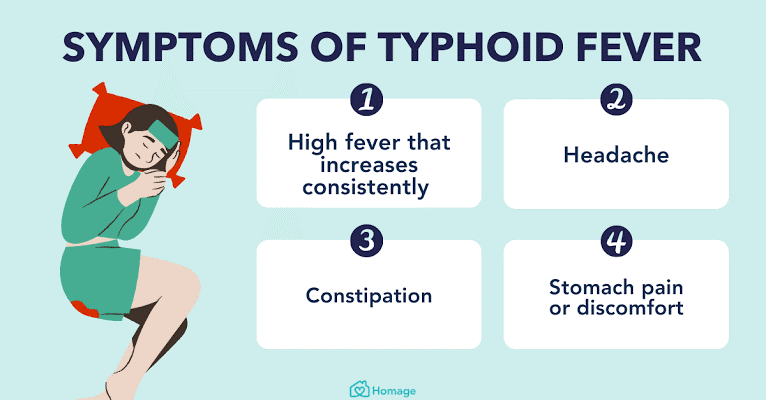
Body temperature remains above normal throughout the day with minimal fluctuation (≤1°C).
Example: Typhoid fever.
Intermittent Fever
Fever comes and goes, with periods of normal temperature in between.
Example malaria.
Remittent Fever
Temperature remains elevated but fluctuates more than 1°C in 24 hours and never returns to normal.
Example infective endocarditis.
Relapsing Fever
Episodes of fever are separated by days of normal temperature.
Example Borrelia infection (relapsing fever).