
Overview
Ayurveda and Siddha
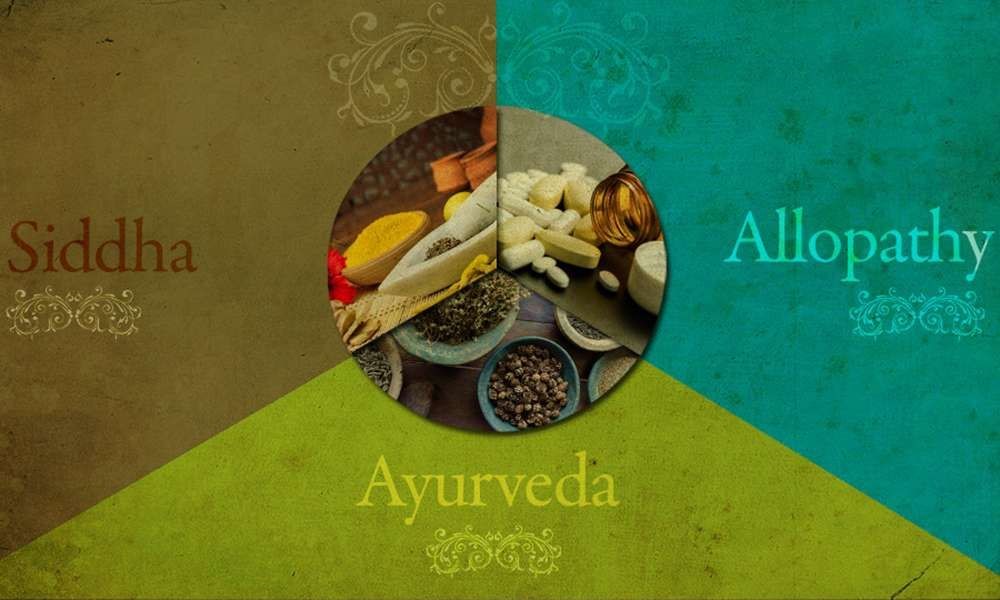
- The “Ayurveda / Siddha” tab refers to traditional Indian systems of medicine.
- 1mg includes Ayurveda products (herbal medicines, formulations), content/knowledge pieces, and possibly consultation services under this tab.
Key Features / Offerings
- Herbal / Ayurvedic Products
- The medicines tab also carries Ayurvedic, homeopathic, herbal supplements, and allied products.
- Products include herbal formulations, oils, tablets, powders, etc.
- Information / Content
- Articles, FAQs, advice about Ayurvedic and Siddha practices: herbs, doshas, lifestyle, therapies.
- Health benefits, safety, precautions, contraindications.
- Ayurvedic Consultation / Tele-Ayurveda (if available)
- Users may consult Ayurvedic practitioners online.
- Personalized recommendations based on dosha analysis, health status, and goals.
- Integrative Use
- Using Ayurveda / Siddha in complement to allopathic treatment (with caution, doctor supervision).
- Guidelines for combining herbal remedies and allopathic medicines safely (watching for interactions).
- Regulation & Quality
- Emphasis on sourcing from credible manufacturers, quality checks (e.g. GMP, AYUSH certifications).
- Warnings / disclaimers: herbal medicines are not magic cures; clinical evidence varies.
- Products & Brands
- On 1mg, brands like Tejasya Ayurveda are listed.
- The Ayurvedic section may highlight popular formulations (e.g. Chyawanprash, herbal immunity boosters).
Benefits & Use Cases
- Many users prefer natural / traditional remedies for general wellness, mild ailments (e.g. digestion, joint pain, immunity)
- As adjunct therapy in chronic diseases (with physician oversight)
- For preventive care and holistic wellness (balance of body, mind)
Risks, Limitations & Precautions
- Herbal medicines may interact with prescription drugs — careful monitoring is needed.
- Quality & purity: contamination, adulteration are concerns.
- Evidence base: not all Ayurvedic or Siddha formulations have robust scientific validation.
- Not always adequate or safe for serious or acute conditions (e.g. infections, cancer) alone.
- Regulatory oversight: need for standardization, quality control, testing.
Ayurveda and Siddha are traditional systems of medicine originating in India, focusing on holistic healing through natural remedies.
Key Concepts:
- Ayurveda: Based on balancing the body’s energies (doshas) through diet, herbal treatments, and lifestyle changes.
- Siddha: Emphasizes the use of medicinal herbs, minerals, and yogic practices for healing.
Benefits:
- Personalized treatment plans.
- Focus on preventive care and wellness.
- Minimal side effects due to natural ingredients.
Visuals:
- Images of Ayurvedic herbs and Siddha medicines.
- Charts comparing Ayurveda and Siddha principles.